
School Counseling

School Counseling is a comprehensive program designed to support the academic, career, and social/emotional development of students, delivered by master's level professionals in K-12 schools. School counselors may provide short-term, skills-based interventions to support students in reaching their potential within the academic, career and social/emotional realms. Other potential roles include:
- Teaching skills like time management, organization, and goal-setting
- Monitoring academic progress and intervene when students struggle
- Assisting with course planning and preparation for high school
- Helping students manage peer relationships, identity development, and self-esteem
- Addressing issues like bullying, anxiety, depression, and peer pressure
- Providing individual counseling and small-group support
- Teaching coping skills and responsible decision-making
The ultimate goal of a school counselor is for your student to be successful at school!
To really know what School Counseling is, it is also important to know what School Counseling is NOT:
It is NOT: Therapy or mental health treatment.
It is NOT a place or a person that can provide a mental health diagnsosis.
It is typically NOT a place for long term support.
Each of these scenarios would be more supported by an outside agency, but our school counselors can help connect you with one.


Meet Your Counselor
Click Here to Find Your Assigned Counselor
Partnering for Student Success
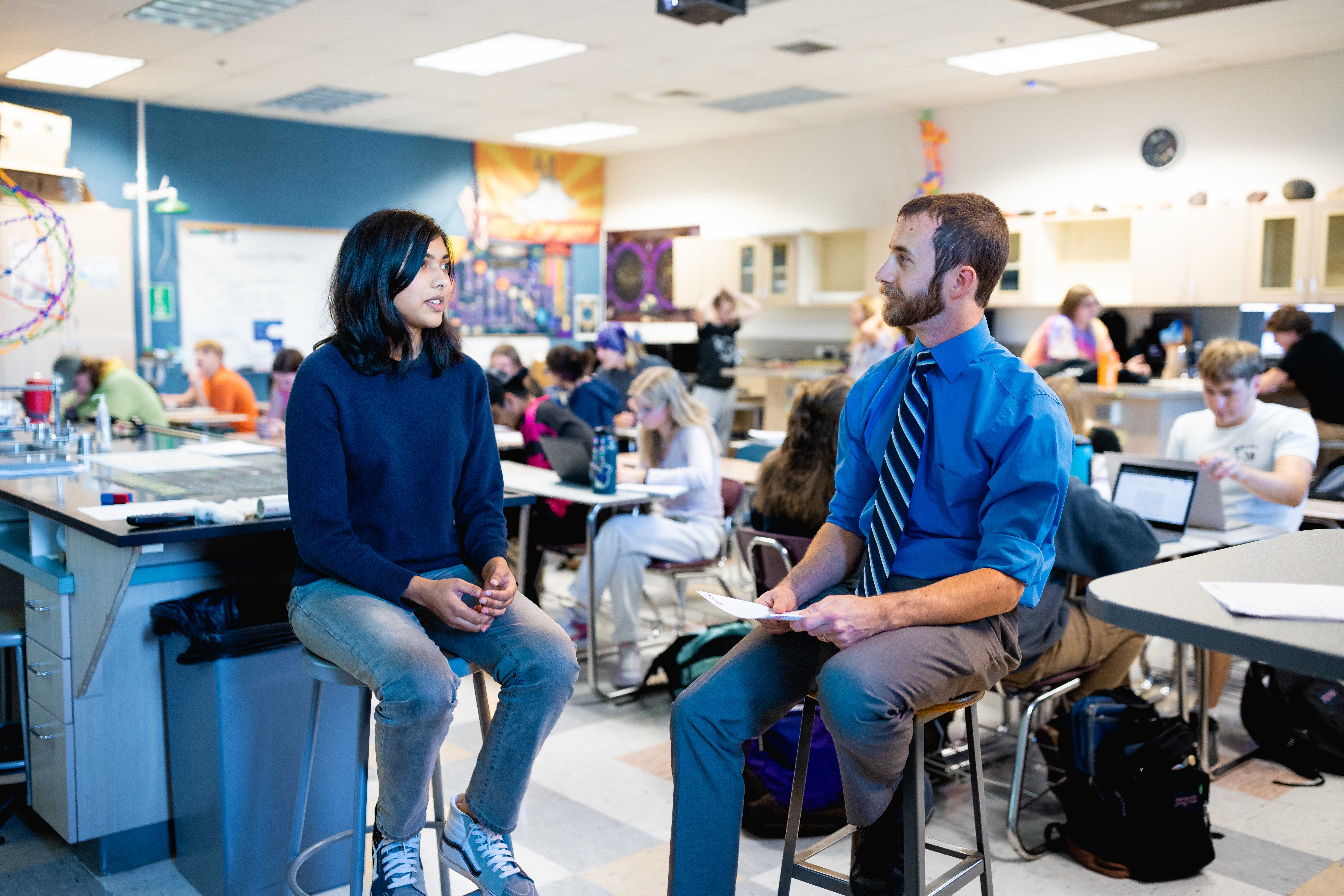
Boise School Counselors support students in becoming healthy, productive, and engaged community members by providing guidance lessons, small group support, individual planning, and responsive services.
The program focuses on helping students build skills for lifelong learning, informed decision-making, and personal growth, while collaborating with families, educators, and community partners to meet the diverse needs of all students.
Counseling Curriculum
-
Upstream Prevention and Curriculum
A central component of an elementary school counselor’s role is the delivery of comprehensive counseling lessons, often referred to as “upstream prevention.” These lessons are aligned with the three core domains outlined by the American School Counselor Association (ASCA): social/emotional development, academic development, and career development. Within these domains, counselors typically provide 16 lessons per classroom, addressing a wide range of developmentally appropriate topics.
Upstream prevention involves the implementation of proactive strategies and interventions designed to address potential challenges before they arise. Rather than responding to issues after they occur (downstream intervention), this approach emphasizes developing knowledge and skills that students can apply to variety of situations in their everyday life.
For a better understaning of the topics taught at each grade level, please see the curriclum chart here!
-
Emotional and Academic Support
Junior high school counselors act as guides through a pivotal stage of development. Their comprehensive school counseling program supports in building independence while supporting students academically, socially/emotionally and in high school and early career planning.
Junior high school counselors teach roughly six counseling lessons throughout the year. An overview of those lessons can be found here.
Counseling Topics
To create some uniformity, counseling topics listed in the curriculum charts are being taught in all Boise School District Schools. The actual lesson that is being taught may differ from site to site depending on the demographics and the needs of the school.
Please reach out to your counselor if you have questions on how they are teaching the topics in your school!
-
Academic Support
High school counselors primarily support students in their academic planning through four year plans and high school and college preparation. Classroom visits revolve around supporting students in these areas.


